
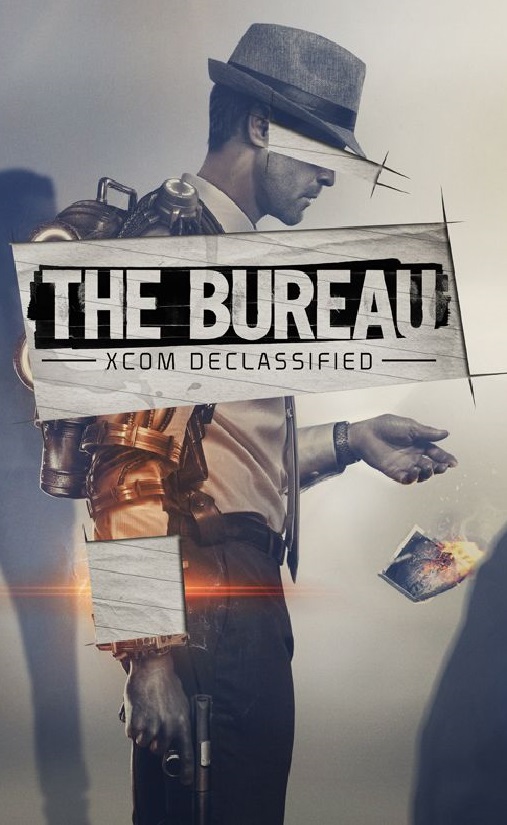
Also available for XBox 360, PC
Released 23/08/2013
6/10
Since its announcement this game has been headed for disaster. Fans of the XCOM series were outraged that developers dared take their beloved tactical strategy game and turn it into a first person shooter.
Thankfully, the makers heard these cries and changed the plan. What would have probably been a poor knock off of Halo or a sci-fi Call Of Duty has been somewhat salvaged by creating a third person shooter with tactical elements that remind you that you are in an XCOM game.

Set in the 1960’s, you play as William Carter, a special agent hired by XCOM because (what other reason could there be) he is the best. The cliches begin here. Carter is a tall, dark, gruff guy with a no nonsense attitude and a troubled past. As the game’s story goes on the cliches keep coming and you lose interest in it, simply wanting to get back to the game itself. This is one of the major frustrations of the game. There is a lot of talking and exposition and if you care to, there are lots of notes and record tapes to read and listen to. When you’ve been bored listening to the characters progress the plot though and are already itching to get playing, you could not care less about the extras. If you do force yourself to check them out in the fear that you might miss some vital point or extra useful information, you often feel reassured that you needn’t have bothered.
So when you realise that you can wander around the XCOM HQ and chat with numerous agents and doctors about the mission, you feel as though it’s going to be a test of patience rather than an enjoyable ride. Pushing through this is a bit more worthwhile though as some talks unlock extra missions and bonuses.
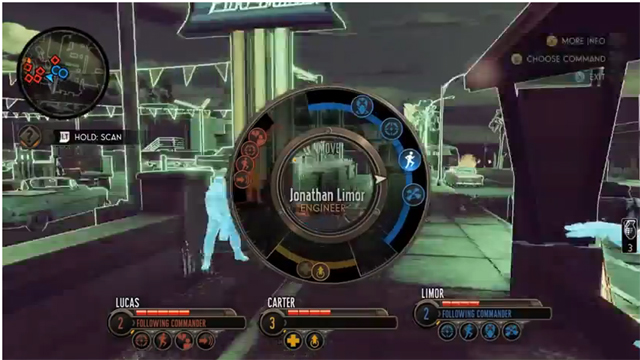
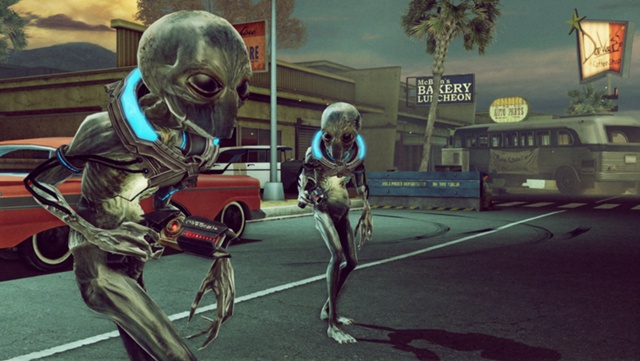
Rather than going down the CoD route it may have done before, after the change in direction the game seems to borrow a lot from the Mass Effect series. The first thing you will notice is the way in which dialogue options are presented to you, in an almost identical wheel, seeming to have choices reflecting whether you want to be nasty or nice. Next, in combat you can give orders to your allies, which again uses a menu that is very similar to the one used in Mass Effect, the difference being that in XCOM, time slows down to allow you to make moves, so while the wheel is visible, you are still vulnerable to attack. At the base between missions you can wander around the various departments and talk to crew. There is even a corridor where you have to wait a few moments in quarantine before the exit door opens like in ME2. Finally, XCOM’s outsiders have a passing resemblance to Mass Effect’s Turians (to be fair, that last one is a stretch).
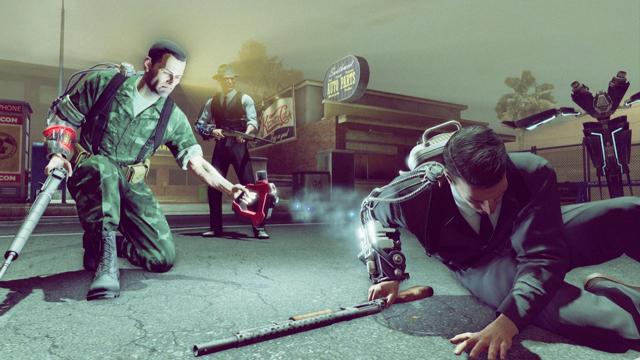
As already said though, one thing The Bureau doesn’t have is a story to match, or even interesting characters that you can care about. In Mass Effect your team are fully fledged personalities who you grow attached to and like as individuals. In XCOM, your team, though customisable are a bunch of randomly generated troops who you might do better to see as expendable. They function in a similar way to their Mass Effect counterparts; they level up and learn new skills, you can choose their outfits and loadout and of course give commands to them. They simply lack the personality and so can only really be seen as tools rather than companions. Their value comes from the games implementation of perma-death. If your ally dies (and you don’t reload a save) then they are gone for good and you must train a replacement. Keeping them alive is more a case of wanting tough guys at your side for dangerous fights rather than actually caring about the person.
Ally agents can gain experience both in the field at your side and in Dispatch missions. At the HQ, you can assign agents to these jobs that don’t require your personal attention at the cost of not having them available to you on your own tasks. It’s worthwhile to do this, as agents sitting at base learn nothing and their dispatch jobs come with extra rewards such as equipment or extra trained agents.
It’s not just your companions that suffer from a lack of personality. The characters that you interact with and talk to properly have similar problems. On your first meeting with DaSilva, an agent you share an office with, the men share a conversation that is impossible to tell if it’s full of mutual admiration or utter distrust and contempt. When Carter says “I can tell we are going to be fast friends” I did not know if he was being sincere or sarcastic. What the relationship was meant to be becomes clear later, but sloppy delivery ruins the introduction.
The Skyranger pilot who drops you and evacuates you from missions seems as though he is meant to be a comic relief character, but if he is supposed to be funny, he doesn’t do a great job of it.
Another agent, who is killed early on in the game in a cutscene is treated as a huge personal loss to everyone at the base, but for the player his demise is barely a blip.
Other important characters basically serve as plot movers, explaining the premise of your missions in long winded uninteresting and completely forgettable ways.
The gameplay itself is the best part of the title, but even that has numerous flaws. Missions last a long time, but a huge amount of it is spent walking or jogging between combat engagements, often listening to more forgettable cliche ridden dialogue.
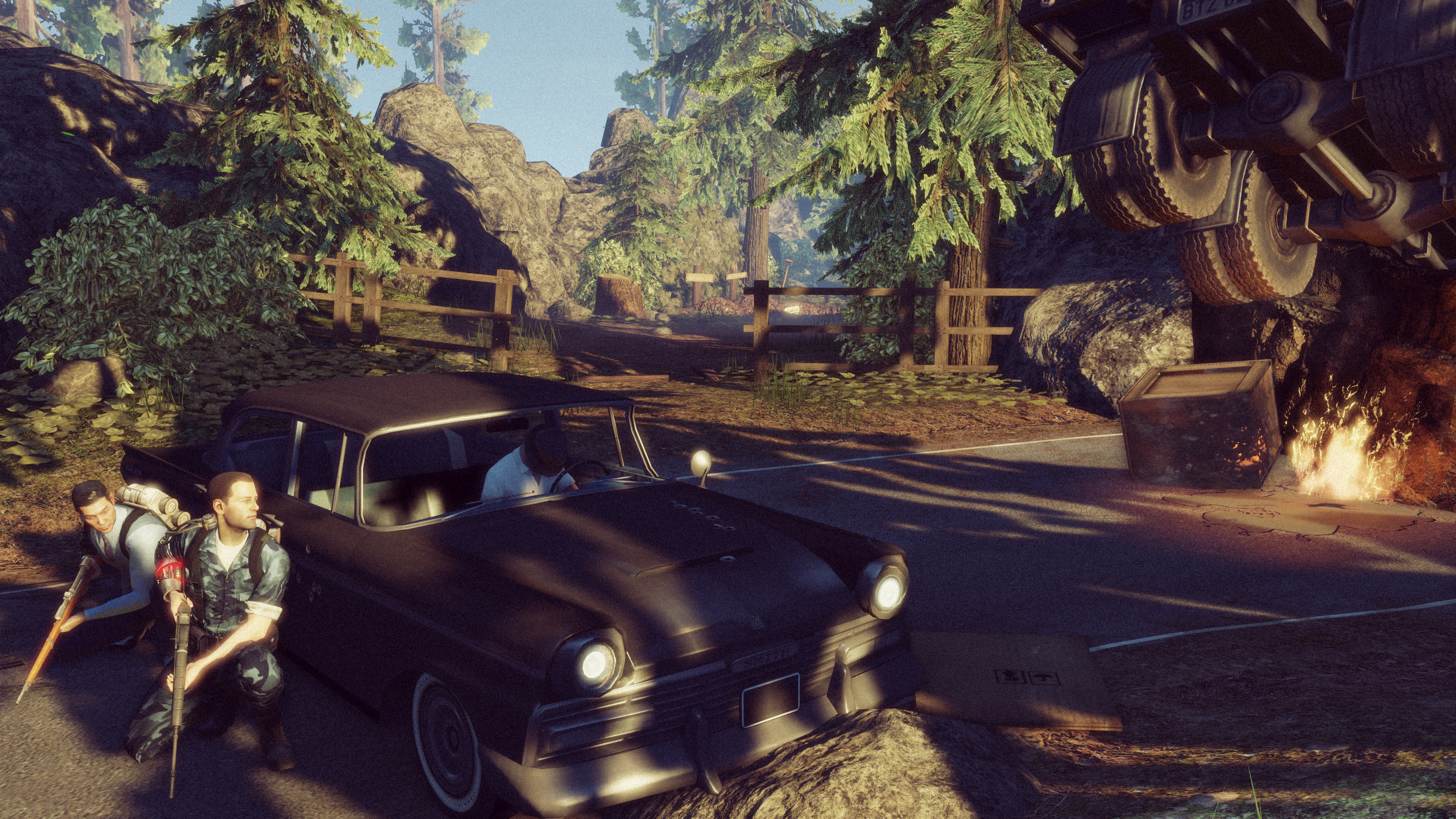
When you come to combat, you will often find yourself running out of ammo with little opportunity to restock, (which I feel adds to the challenge rather than being a problem) forcing you to utilise your agents and command skills to have them win the fight for you. This can be especially tough as the famously unforgiving XCOM games don’t let the side down on this front. You will be faced with tough Mutons and Sectopods quite early on, whether you are ready or not. You and your men start with quite low health and wear no armour so can be at quite a disadvantage. If a man goes down, he has to be revived by an ally before he bleeds out and dies. If this happens to Carter, then the only option is to reload a save or restart the mission (which can often be a small relief if you lost a powerful ally aswell). Carter acts as medic as well as leader in the field. Armed with some unique tech with origins that are brushed over, he is capable of using alien powers, one of which is team healing. With your allies regularly coming under fire, this is extremely useful, but as with all powers, requires a recharge after each use.
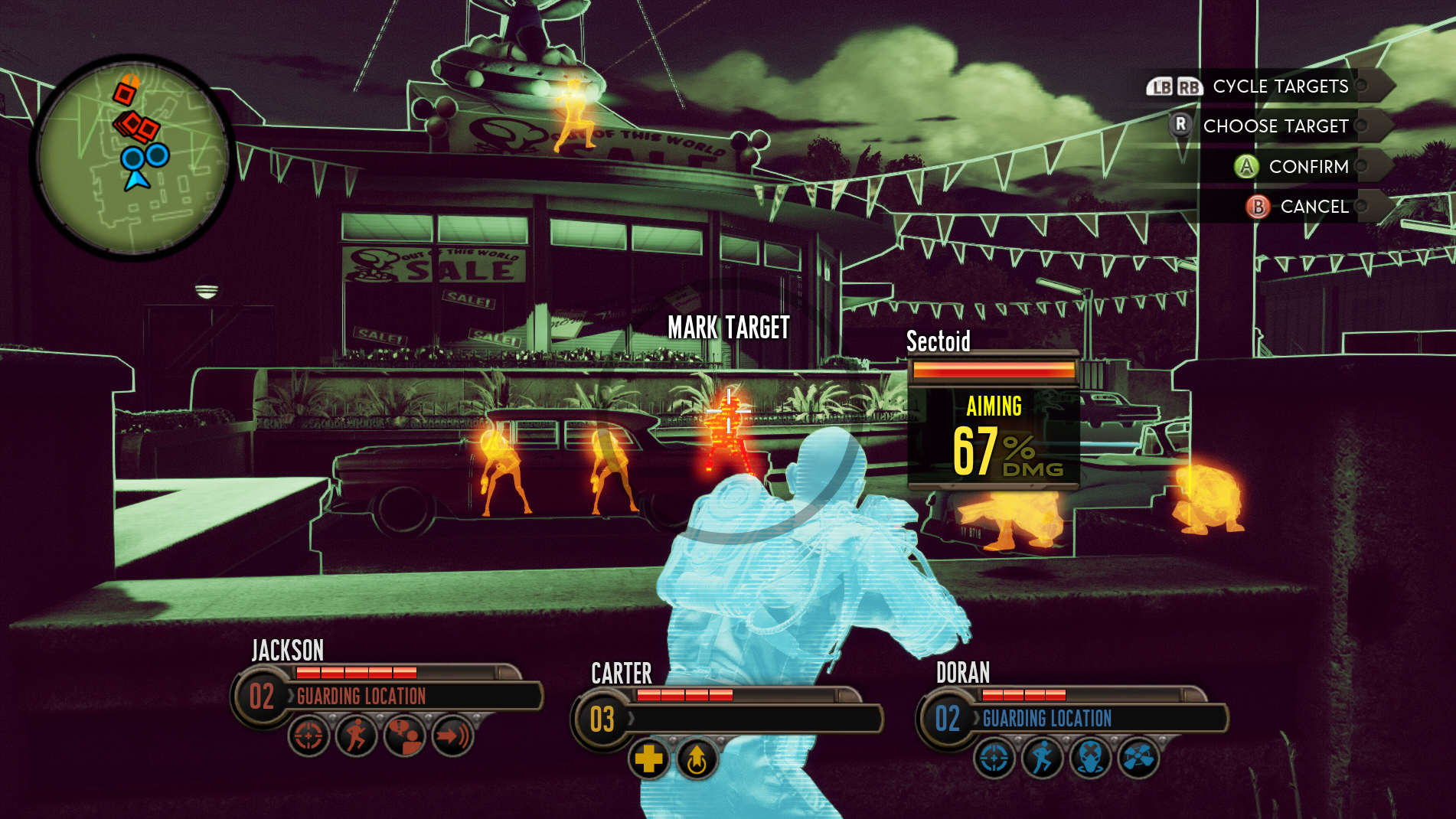
This brings us to the next, even more irritating problem with the agents. Their AI is awful. You are given the choice to command them, tell them where to stand, who to attack and with what ability, but once they have followed your orders, they will go their own way. Far too often this will mean running into the enemy and being shot down, requiring you to then run out into fire yourself to revive them. Any plans you make to have them sit in position for an ambush are scuppered when you move away and they decide to follow you instead of holding ground. Alternatively, they might actually stay in position when they have been flanked and instead of retreating they simply shout something like “This is a bad spot boss!”.
This adds another layer of challenge to the game, as you constantly find that you have to babysit two idiotic agents as well fight off swarms of bad guys. This becomes quite clear at the end of levels when you see the kill counts show that you have shot down around 100 enemies, while the agents have ended a handful between them.
So while, 2K Games avoided the utter disaster they had originally planned, the game still has numerous flaws that stop The Bureau from being a fan favourite. With poor characters, uninteresting story and a lot of empty air the game gets bogged down with tedium, but when the interesting battles come along, it all feels worth it and there’s nothing like that feeling of satisfaction to have pulled your team through a tough encounter in one piece.


